
How to Choose the Right Architect for Your Home Project
 Finding the right architect for your home project can make the difference between your dream space and a costly mistake. This guide is for homeowners planning renovations, additions, or custom builds who want to hire an architect that fits their vision and budget.
Choosing the right architect involves more than just browsing pretty photos online. You need someone who understands your lifestyle, respects your budget, and can handle the complexities of residential design from start to finish.
We’ll walk you through the essential steps of residential architect selection, starting with how to define your project scope and research qualified candidates. You’ll also learn the key questions to ask during architect consultations and what to look for when reviewing portfolios and credentials. By the end, you’ll have a clear roadmap for making a confident hiring decision that sets your home project up for success.
Define Your Project Requirements and Budget
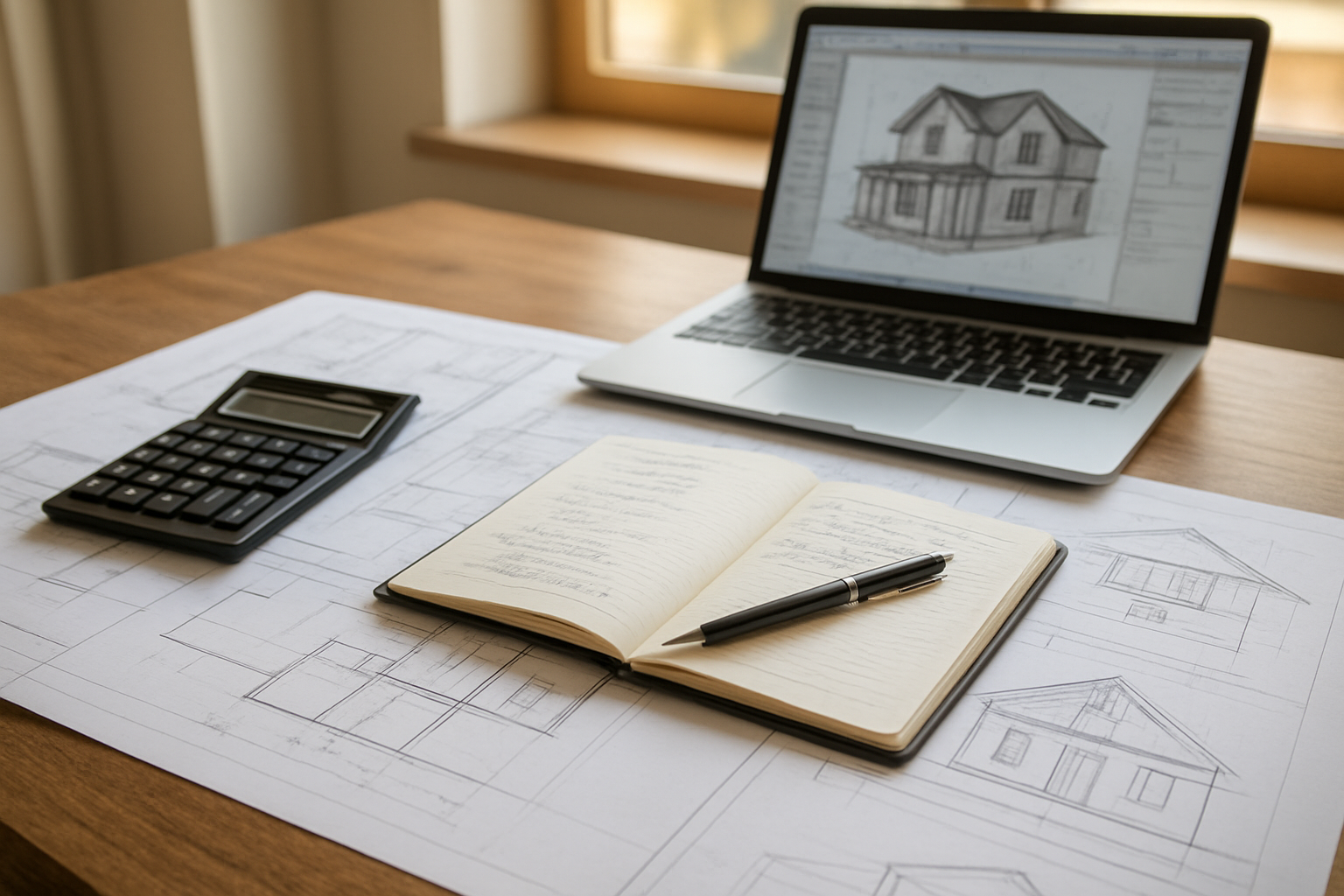
Determine the scope and scale of your construction project
Before you begin searching for the right architect for your home project, clearly define what you want to accomplish. Are you planning a complete new build, major renovation, room addition, or smaller remodel? Document specific areas that need attention, square footage requirements, and any structural changes you envision. Consider whether you’ll need permits, zoning approvals, or compliance with local building codes. Understanding your project’s complexity helps you identify architects with relevant experience and ensures accurate cost estimates during initial consultations.
Establish a realistic budget range including design fees
Setting a comprehensive budget early prevents costly surprises and helps narrow your architect search effectively. Architectural fees typically range from 8-15% of total construction costs, varying based on project complexity and location. Factor in design development, construction documents, permit applications, and construction administration services. Research local construction costs per square foot for similar projects in your area. Create separate line items for design fees, construction costs, permits, and a 10-20% contingency fund for unexpected issues that commonly arise during home projects.
Identify your timeline and key project milestones
Establish realistic timeframes for each project phase, from initial design concepts through construction completion. Design development typically takes 2-4 months, depending on project complexity and revision cycles. Factor in permit approval times, which can range from 4-12 weeks based on local municipality requirements. Consider seasonal construction limitations, material availability, and contractor scheduling. Create a preliminary timeline including design phases, permit submissions, contractor selection, and construction start dates. Share these expectations during architect consultations to ensure alignment with their current workload and availability.
List your must-have features and design preferences
Document your family’s lifestyle needs, aesthetic preferences, and functional requirements before meeting with potential architects. Consider factors like entertaining spaces, home office needs, storage solutions, accessibility requirements, and future family changes. Research architectural styles that appeal to you, from contemporary minimalism to traditional colonial designs. Note preferences for natural lighting, indoor-outdoor connections, energy efficiency features, and smart home technology integration. Create a priority list distinguishing between absolute necessities and nice-to-have elements, helping architects understand your vision and budget allocation preferences during initial discussions.
Research and Identify Potential Architects

Explore architects specializing in residential projects
Start your search by focusing on architects who specifically work on residential projects rather than commercial ones. Residential architects understand the unique challenges of home design, from zoning regulations to family living patterns. Look for professionals who showcase single-family homes, renovations, or additions in their work. Many architectural firms have dedicated residential divisions, making it easier to find specialists who speak your language when it comes to home projects.
Check professional licensing and certifications
Verify that any architect you consider holds a valid license in your state. Licensed architects have completed rigorous education, internship, and examination requirements. Check your state’s licensing board website to confirm their credentials are current and look for any disciplinary actions. Some architects also hold additional certifications from organizations like the American Institute of Architects (AIA) or specialized credentials in sustainable design, which can add value to your project.
Review online portfolios and project galleries
Dive deep into each architect’s online portfolio to understand their design style and project range. Look beyond pretty photos – examine floor plans, before-and-after shots, and project descriptions to gauge their problem-solving abilities. Pay attention to projects similar in scope and budget to yours. A strong portfolio should demonstrate versatility while maintaining a consistent quality standard. Don’t just look at their website; check their social media profiles and professional platforms like Houzz for additional project examples.
Ask for referrals from friends, contractors, and real estate professionals
Tap into your network for architect recommendations. Friends who’ve completed home projects can provide honest feedback about their experience. General contractors often work with multiple architects and can suggest professionals who are collaborative and realistic about budgets and timelines. Real estate agents see the results of various architects’ work and understand which designs add value. Local building officials and planning departments may also offer insights about architects who consistently submit quality plans.
Consider architects experienced with your specific project type
Match the architect’s experience to your specific project needs. An architect who excels at modern new construction might not be the best choice for a historic home renovation. Look for professionals who have successfully completed projects similar to yours – whether it’s a kitchen remodel, second-story addition, or whole-house renovation. Experience with your home’s architectural style, your neighborhood’s building codes, and your project’s complexity level can save time and prevent costly mistakes during the design and permitting process.
Evaluate Architect Portfolios and Design Philosophy
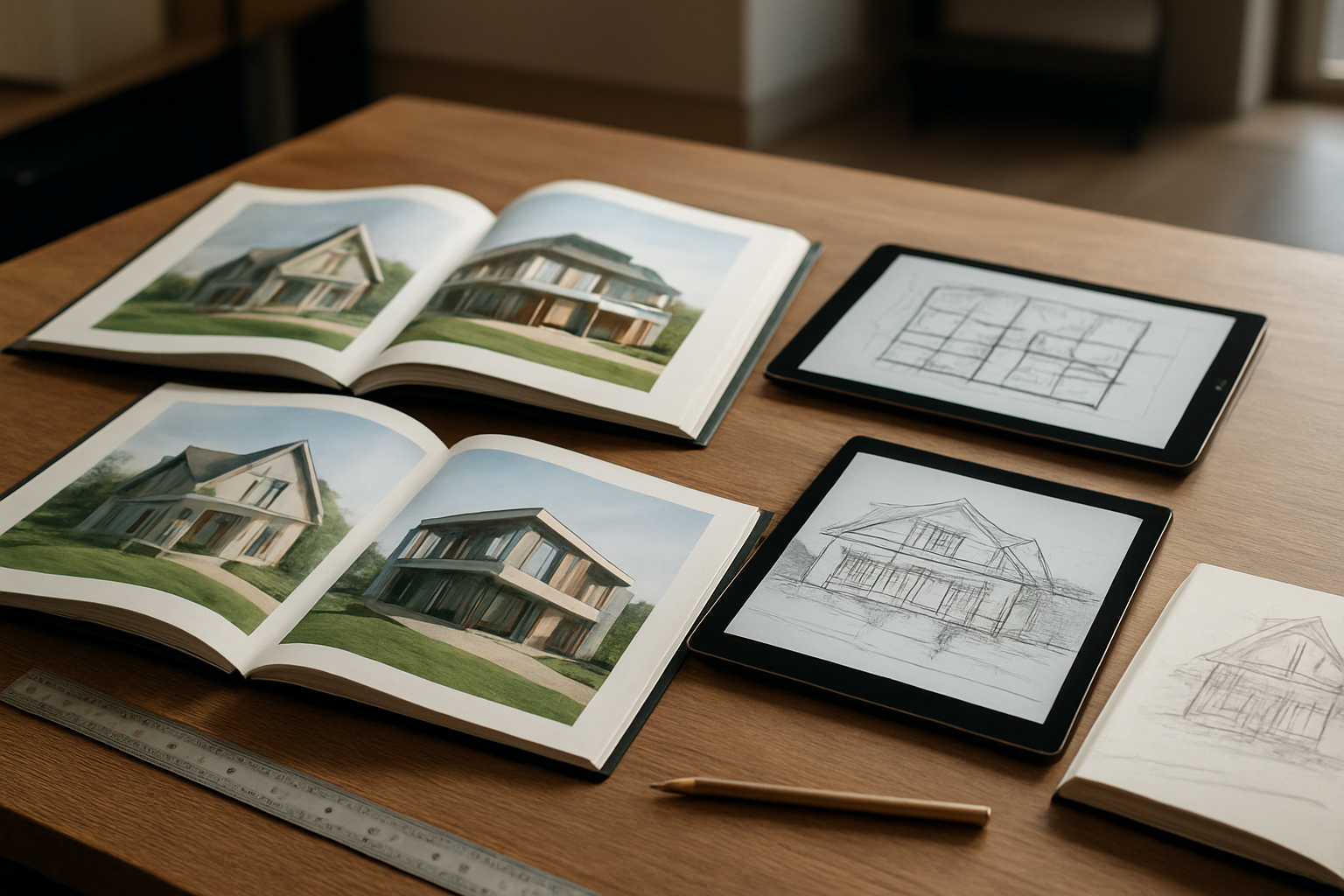
Assess compatibility between their style and your vision
Start by examining an architect’s portfolio to see if their design aesthetic aligns with your dream home vision. Look for recurring themes in their work – do they favor modern minimalism, traditional craftsmanship, or sustainable design? Pay attention to how they handle space, light, and materials. A great architect portfolio review should reveal whether they can translate your ideas into reality while maintaining their creative integrity.
Examine the quality and variety of completed projects
Dive deep into their past residential projects to gauge their versatility and expertise. Quality architects showcase diverse home types – from cozy renovations to luxury custom builds. Look for crisp photography, detailed floor plans, and before-and-after transformations. Check if they’ve worked on projects similar to yours in scale, budget, and complexity. This residential architect selection process helps you understand their capabilities and experience level.
Look for innovation and problem-solving capabilities
The best architects turn challenges into creative opportunities. Study how they’ve handled difficult sites, tight budgets, or unique client requests. Look for clever storage solutions, natural light maximization, or creative use of small spaces. Their portfolio should demonstrate resourcefulness and original thinking rather than cookie-cutter designs. This insight proves crucial when choosing the right architect for complex home projects.
Review awards and professional recognition
Professional accolades and industry recognition signal exceptional work quality and peer respect. Check for awards from architectural associations, design magazines, or local building organizations. Published projects in design publications or featured case studies add credibility. While awards aren’t everything, they indicate an architect’s commitment to excellence and staying current with design trends – valuable factors in your architect hiring guide decision-making process.
Conduct Thorough Interviews and Consultations

Prepare Essential Questions About Their Process and Approach
Ask about their design methodology, project timeline expectations, and how they handle unexpected challenges. Understanding their workflow helps you gauge compatibility with your project needs and working style preferences.
Discuss Your Project Goals and Design Preferences
Share your vision clearly, including functional requirements, aesthetic preferences, and lifestyle considerations. A skilled residential architect will ask probing questions to understand your family’s daily routines and long-term plans for the space.
Evaluate Their Communication Style and Responsiveness
Pay attention to how quickly they respond to emails and calls during the consultation process. Their communication approach during initial meetings often reflects how they’ll handle project updates and problem-solving throughout your home architect consultation.
Request Detailed Information About Fees and Payment Structure
Get specific breakdowns of design fees, project phases, and additional costs. Ask about payment schedules, what’s included in base fees, and potential extra charges for revisions or construction administration services.
Verify Credentials and Check References

Contact previous clients about their experience and satisfaction
Reaching out to former clients gives you honest insights into working with your potential architect. Ask specific questions about communication style, project timeline management, budget adherence, and problem-solving abilities. Most satisfied clients willingly share their experiences and can reveal how the architect handles challenges, change requests, and unexpected issues during construction.
Inspect completed projects in person when possible
Visiting finished projects provides invaluable perspective on the architect’s work quality and design execution. Schedule appointments through the architect or contact homeowners directly. Look for attention to detail, material choices, spatial flow, and how well the design integrates with the surrounding environment. Photos can’t capture everything – experiencing spaces firsthand reveals the architect’s true capabilities.
Verify insurance coverage and professional standing
Professional architects must carry liability insurance and errors-and-omissions coverage to protect both themselves and clients. Request proof of current insurance certificates and verify their professional license status through your state’s licensing board. Check membership in professional organizations like the American Institute of Architects (AIA), which indicates commitment to continuing education and ethical standards.
Research any complaints or disciplinary actions
Investigate your architect’s professional history through state licensing boards, Better Business Bureau records, and online review platforms. Look for patterns of complaints, unresolved disputes, or disciplinary actions. While isolated issues don’t necessarily disqualify an architect, recurring problems with project delivery, billing disputes, or professional conduct should raise red flags about their reliability and integrity.
Make Your Final Selection Based on Key Criteria

Compare proposals and fee structures
When evaluating architect proposals, focus on what each package includes rather than just the total price. Some architects bundle services like permit applications and construction administration, while others charge separately. Review payment schedules carefully – reputable architects typically request payments tied to project milestones rather than large upfront fees. Create a comparison chart listing each architect’s deliverables, timeline, and costs to make an informed decision about choosing the right architect for your home project.
Assess overall value rather than lowest cost
The cheapest architect isn’t always the best choice for your residential architect selection. Consider the quality of materials they recommend, their problem-solving abilities, and how well they understand your vision. An architect who charges more upfront but prevents costly construction mistakes saves money long-term. Factor in their experience with similar projects, their track record for staying on budget, and the level of service they provide throughout the design process.
Consider long-term partnership potential and trust level
Your architect relationship extends beyond initial design phases into construction oversight and potential future projects. Choose someone you communicate well with and who respects your input while providing expert guidance. Trust your instincts about their reliability and professionalism. The right architect becomes a valuable long-term partner who understands your style preferences and can help with future renovations or additions, making this architect hiring guide decision crucial for your ongoing home improvement journey.

Finding the perfect architect for your home project comes down to doing your homework and trusting your instincts. Start by getting crystal clear on what you want and how much you can spend, then dive into research to find architects whose work speaks to you. Look closely at their portfolios, sit down for real conversations about your vision, and don’t skip the reference checks – these steps will save you headaches down the road.
Your dream home deserves someone who gets your style and can bring your ideas to life within your budget. Take the time to interview multiple candidates, ask the tough questions, and choose the architect who combines technical skills with a design philosophy that matches yours. The right partnership will make all the difference between a stressful renovation and an exciting journey to create the home you’ve always wanted.