
How to Choose Quality Building Materials for Your Home
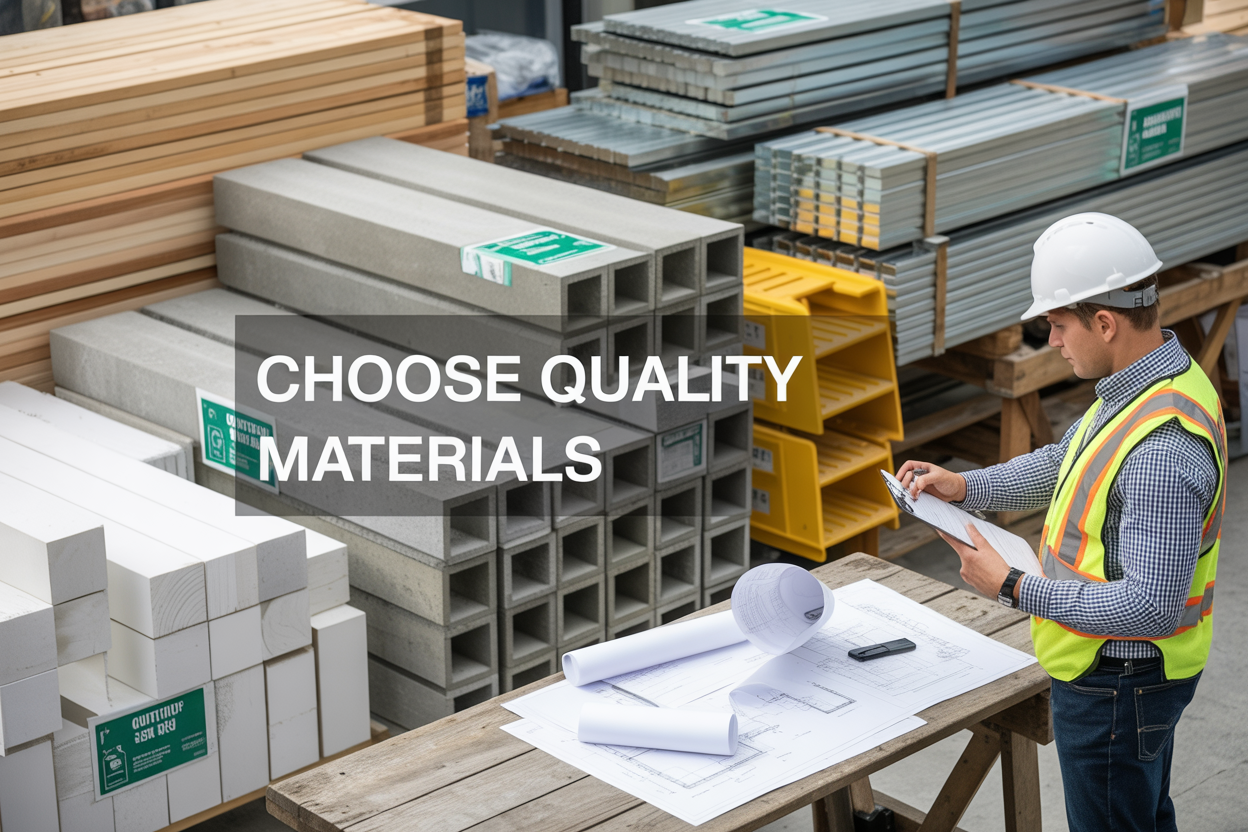
Choosing quality building materials for your home requires careful planning and informed decision-making to ensure long-term value and structural integrity. This comprehensive guide serves homeowners, contractors, and DIY enthusiasts who want to make smart material selections for new construction or renovation projects.
The process of selecting durable building materials can feel overwhelming with countless options and varying price points. Smart material choices protect investments, reduce maintenance costs, and create homes that stand the test of time. Poor selections lead to costly repairs, structural issues, and frustration down the road.
This home construction materials guide covers the essential steps for making informed decisions. First, the discussion focuses on understanding structural requirements and setting realistic budgets that maximize value without compromising quality. Next, the guide explores researching material durability and performance standards to identify products that meet specific project needs. Finally, the content addresses evaluating suppliers and conducting thorough material inspections to ensure every purchase meets building material quality standards.
The right approach to residential construction materials selection combines technical knowledge with practical considerations, helping create homes that deliver lasting performance and satisfaction.
Understand Your Home’s Structural Requirements
Assess Climate Conditions and Weather Patterns in Your Area
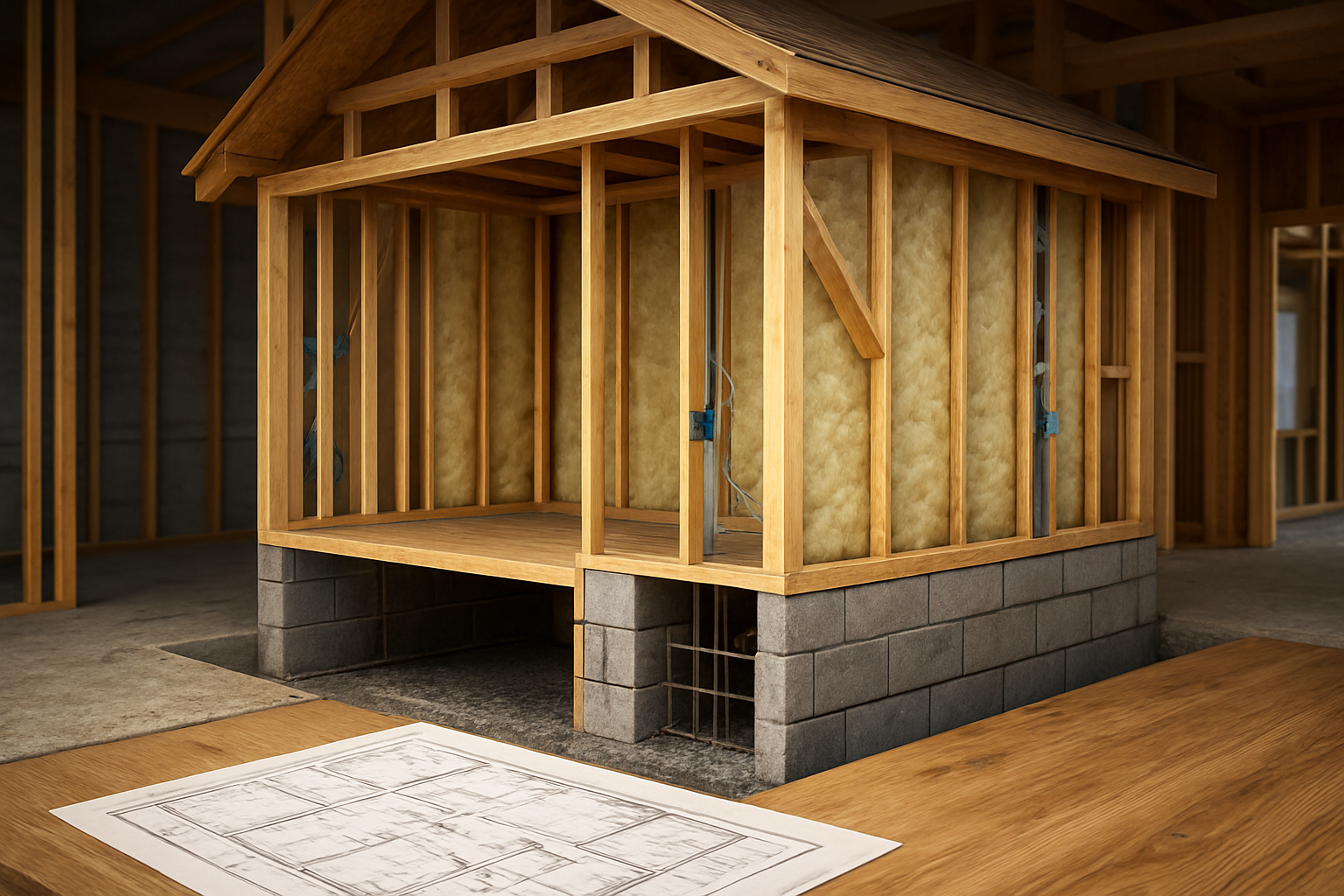
Understanding local climate conditions directly impacts quality building materials selection for any construction project. Regional weather patterns determine which materials will perform optimally over time, affecting everything from foundation choices to roofing systems. Areas with high humidity require moisture-resistant materials, while regions experiencing extreme temperature fluctuations need materials with superior thermal expansion properties.
Determine Load-Bearing Needs for Walls, Floors, and Roofs
Structural load calculations form the foundation of proper material selection for residential construction materials. Different areas of a home bear varying weight loads, requiring specific material strength ratings and engineering specifications. Roofing materials must support snow loads in northern climates, while foundation materials need sufficient compression strength for the entire structure above.
Identify Moisture and Humidity Control Requirements
Moisture management directly affects building material durability and long-term performance standards. High-humidity environments require vapor barriers, moisture-resistant insulation, and properly sealed building envelopes. Basement and crawl space areas need specialized materials that resist mold growth and water damage, while bathroom and kitchen spaces require materials rated for consistent moisture exposure.
Set a Realistic Budget That Maximizes Value
Calculate Total Project Costs Including Labor and Materials
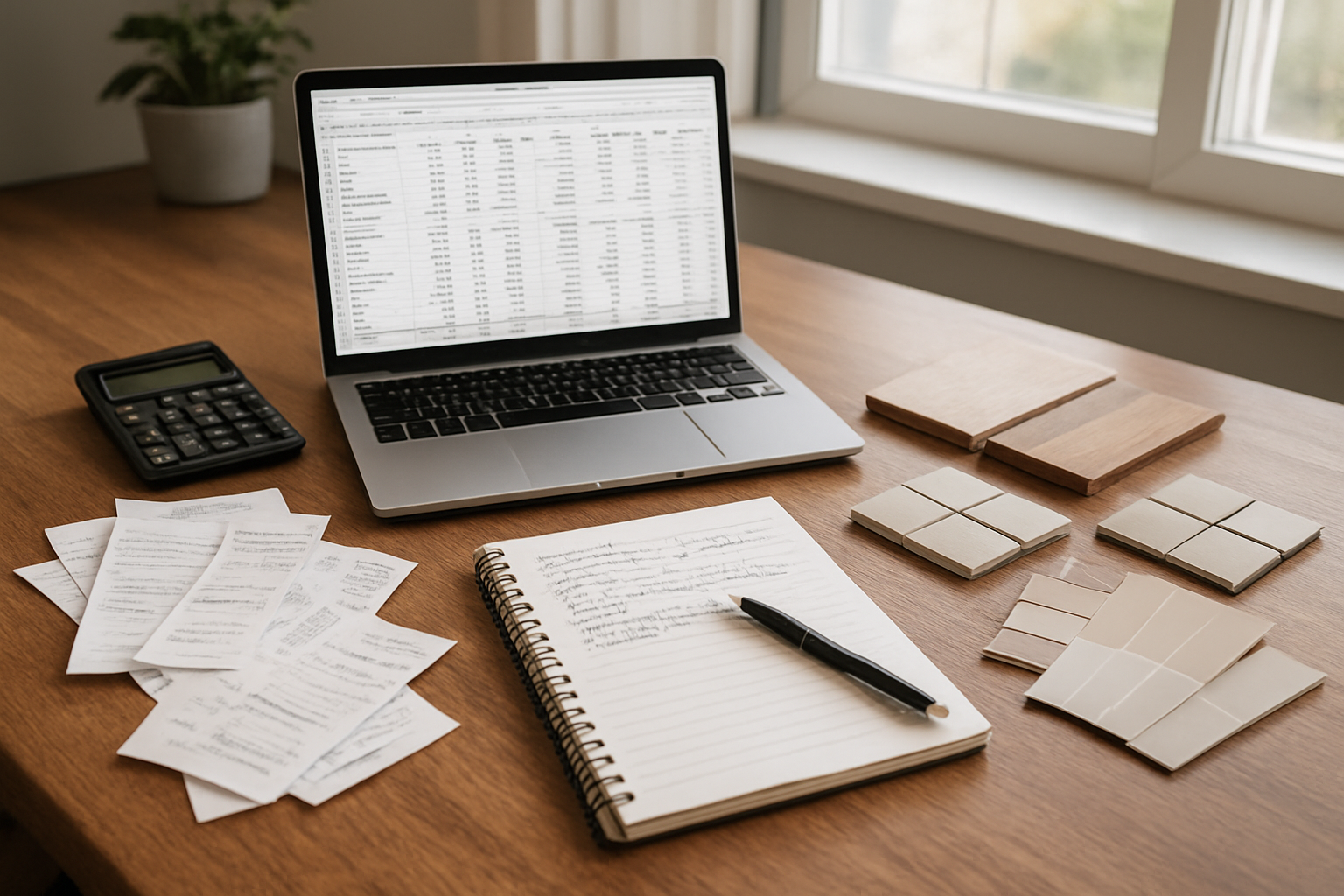
Establishing a comprehensive budget requires accounting for all project components beyond just material costs. Labor expenses typically represent 30-50% of total construction expenses, while materials, permits, and equipment rental constitute the remainder. Creating detailed cost breakdowns prevents budget overruns and enables informed decisions about quality building materials selection.
Allocate Funds for Premium Materials in High-Impact Areas
Strategic allocation of premium materials maximizes both value and visual impact. Focus investment on structural elements, exterior materials exposed to weather, and high-traffic interior surfaces. Quality building materials in foundations, roofing, and flooring systems deliver superior performance and longevity compared to budget alternatives in these critical applications.
Plan for Unexpected Expenses and Material Price Fluctuations
Construction projects benefit from maintaining a 10-20% contingency reserve for unforeseen costs and market volatility. Material prices fluctuate based on supply chain disruptions, seasonal demand, and economic conditions. Securing material quotes with price locks or purchasing key components early protects against inflation while ensuring project timeline adherence.
Research Long-Term Cost Savings of Quality Materials
Premium durable building materials often provide superior return on investment through reduced maintenance costs and extended service life. Energy-efficient materials reduce utility expenses, while low-maintenance options minimize ongoing repair costs. Analyzing total cost of ownership over 10-20 years reveals the true value proposition of investing in higher-grade construction materials versus initial savings from cheaper alternatives.
Research Material Durability and Performance Standards

Compare Warranty Periods and Manufacturer Guarantees
Extended warranty periods often signal superior construction material quality standards and manufacturer confidence in their products. Most quality building materials feature warranties ranging from 10 to 50 years, with premium options offering lifetime guarantees. Roofing materials typically carry 20-30 year warranties, while high-grade siding and windows may extend up to 50 years. Smart buyers examine warranty coverage details, including what repairs or replacements are included and any maintenance requirements that could void protection.
Review Industry Certifications and Quality Ratings
Building material quality standards rely heavily on third-party certifications from organizations like ASTM International, ICC-ES, and Energy Star. These certifications validate performance metrics including structural integrity, weather resistance, and energy efficiency ratings. Durable building materials selection becomes more straightforward when products display recognized quality marks such as UL listings, Green Guard certifications, or Forest Stewardship Council approvals. Professional contractors and architects often specify materials meeting specific industry benchmarks to ensure long-term performance and code compliance.
Investigate Maintenance Requirements and Lifecycle Costs
| Material Type | Initial Cost | Annual Maintenance | 25-Year Total Cost |
|---|---|---|---|
| Fiber Cement Siding | Medium | Low | Medium |
| Vinyl Siding | Low | Very Low | Low |
| Natural Stone | High | Medium | High |
| Composite Decking | High | Very Low | Medium |
Construction material durability directly impacts long-term expenses through maintenance schedules and replacement frequency. Materials requiring frequent cleaning, sealing, or refinishing may cost less upfront but demand higher lifecycle investments. Natural wood siding needs regular staining every 3-5 years, while fiber cement alternatives require minimal upkeep for decades. Energy-efficient windows with higher initial costs often reduce utility bills significantly over their 20-year lifespan, making them cost-effective choices for residential construction materials.
Evaluate Supplier Reputation and Material Sources

Verify Supplier Credentials and Business History
A reputable supplier demonstrates verifiable credentials including proper licensing, insurance coverage, and established business registration. Quality building materials suppliers maintain transparent operational histories, industry certifications, and professional memberships that indicate reliable service standards.
Check Customer Reviews and Project Testimonials
Customer feedback reveals authentic insights into supplier performance, material quality, and service reliability. Testimonials from completed construction projects provide valuable information about product durability, delivery accuracy, and overall satisfaction levels from verified purchasers.
Confirm Material Origin and Manufacturing Standards
Material traceability ensures compliance with building codes and quality specifications. Suppliers should provide documentation regarding manufacturing locations, production standards, and material certifications that meet regional construction requirements and safety regulations.
Assess Delivery Timelines and Availability
Reliable delivery schedules prevent construction delays and budget overruns. Suppliers with consistent inventory management and realistic delivery commitments support project timelines while maintaining material quality during transportation and storage processes.
Inspect Materials for Quality Before Purchase

Examine Surface Finishes and Structural Integrity
Quality building materials reveal their worth through careful visual and tactile inspection. Check lumber for warping, splitting, or discoloration that signals moisture damage or structural weakness. Metal components should show consistent coating without rust spots or dents. Stone and concrete materials require examination for cracks, chips, or surface irregularities that could compromise installation or longevity.
Verify Measurements and Specifications Match Requirements
| Material Type | Key Measurements | Critical Specifications |
|---|---|---|
| Lumber | Length, width, thickness | Grade stamps, moisture content |
| Roofing | Square footage coverage | Fire rating, wind resistance |
| Insulation | R-value, thickness | Vapor barrier properties |
| Flooring | Dimensions, thickness | Wear rating, installation method |
Accurate measurements prevent costly delays and material waste during construction. Cross-reference supplier specifications with project blueprints to ensure compatibility with existing structures and building codes.
Test Material Samples When Possible
Hands-on testing provides valuable insights beyond visual inspection. Request samples of flooring materials to assess texture, color consistency, and installation characteristics. Test paint colors under different lighting conditions to avoid costly color mismatches. For major purchases like roofing or siding, examine multiple samples to understand natural variation within material batches.
Document Any Defects or Inconsistencies
Professional documentation protects both the project timeline and budget. Photograph damaged materials immediately upon delivery, noting specific issues like scratches, dents, or missing components. Create written records with dates, supplier information, and detailed descriptions of problems. This documentation becomes essential for warranty claims and ensures prompt replacement of substandard materials.
Confirm Proper Storage and Handling Practices
Material degradation often occurs between purchase and installation due to improper storage conditions. Verify that lumber remains dry and properly stacked to prevent warping. Ensure metal materials stay protected from moisture to avoid corrosion. Check that fragile items like tiles or fixtures receive adequate protection during transport and storage to maintain their structural integrity.
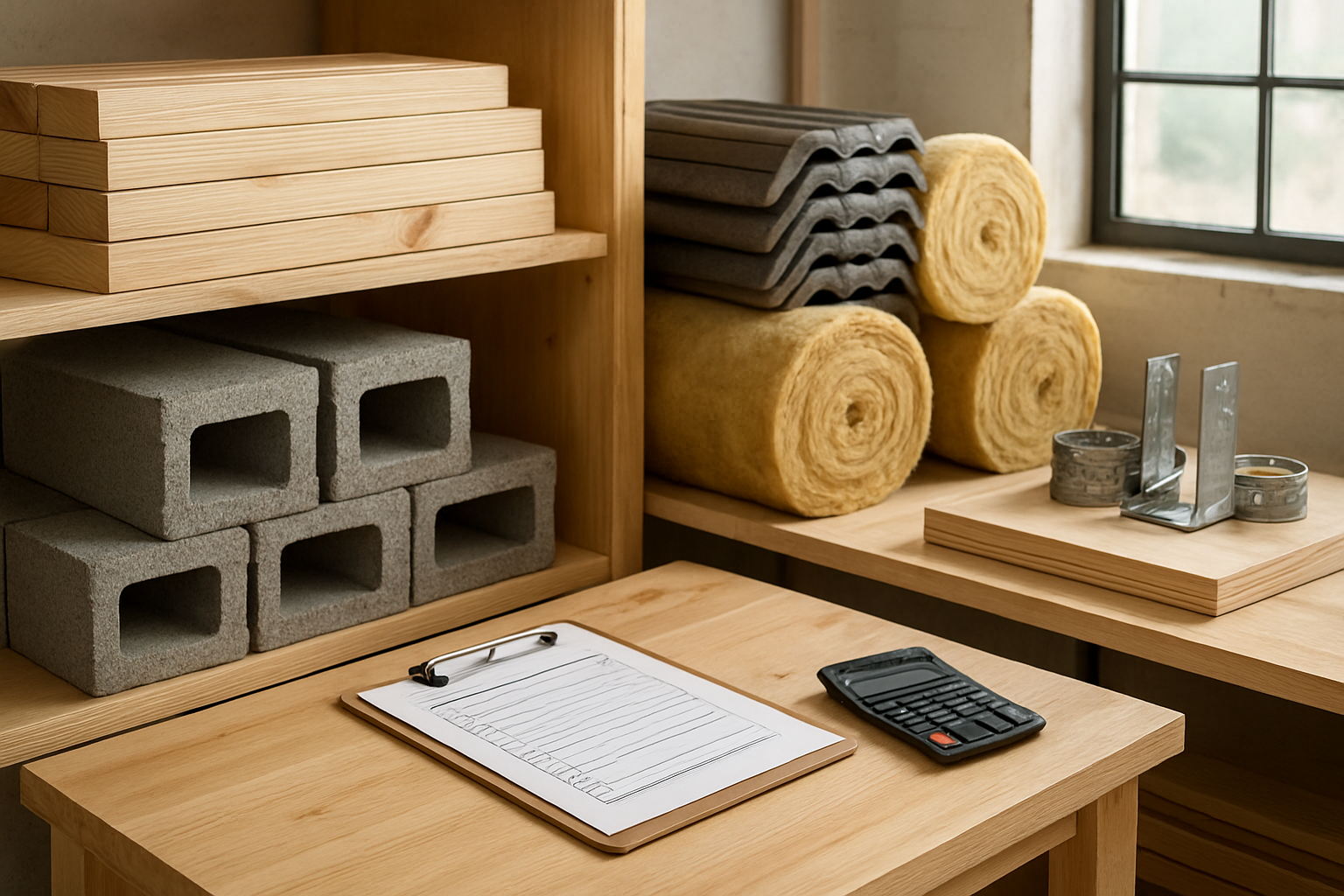
Quality building materials form the foundation of a home that stands the test of time. Understanding structural requirements, setting a realistic budget, researching durability standards, evaluating supplier reputation, and conducting thorough inspections create a comprehensive approach to material selection. These five steps work together to protect the investment while ensuring safety and longevity.
Smart material choices today prevent costly repairs tomorrow. Take time to research each component, compare options from reputable suppliers, and never compromise on quality for areas that affect structural integrity. The extra effort spent during the selection process pays dividends through years of reliable performance and peace of mind.